
The Importers and Exporters Association of Ghana (IEAG) has welcomed improvements in port operations, customs revenue mobilisation and macroeconomic stability over the past year, but has raised serious concerns over reports of a proposed Artificial Intelligence (AI) system to be introduced at Ghana’s ports.
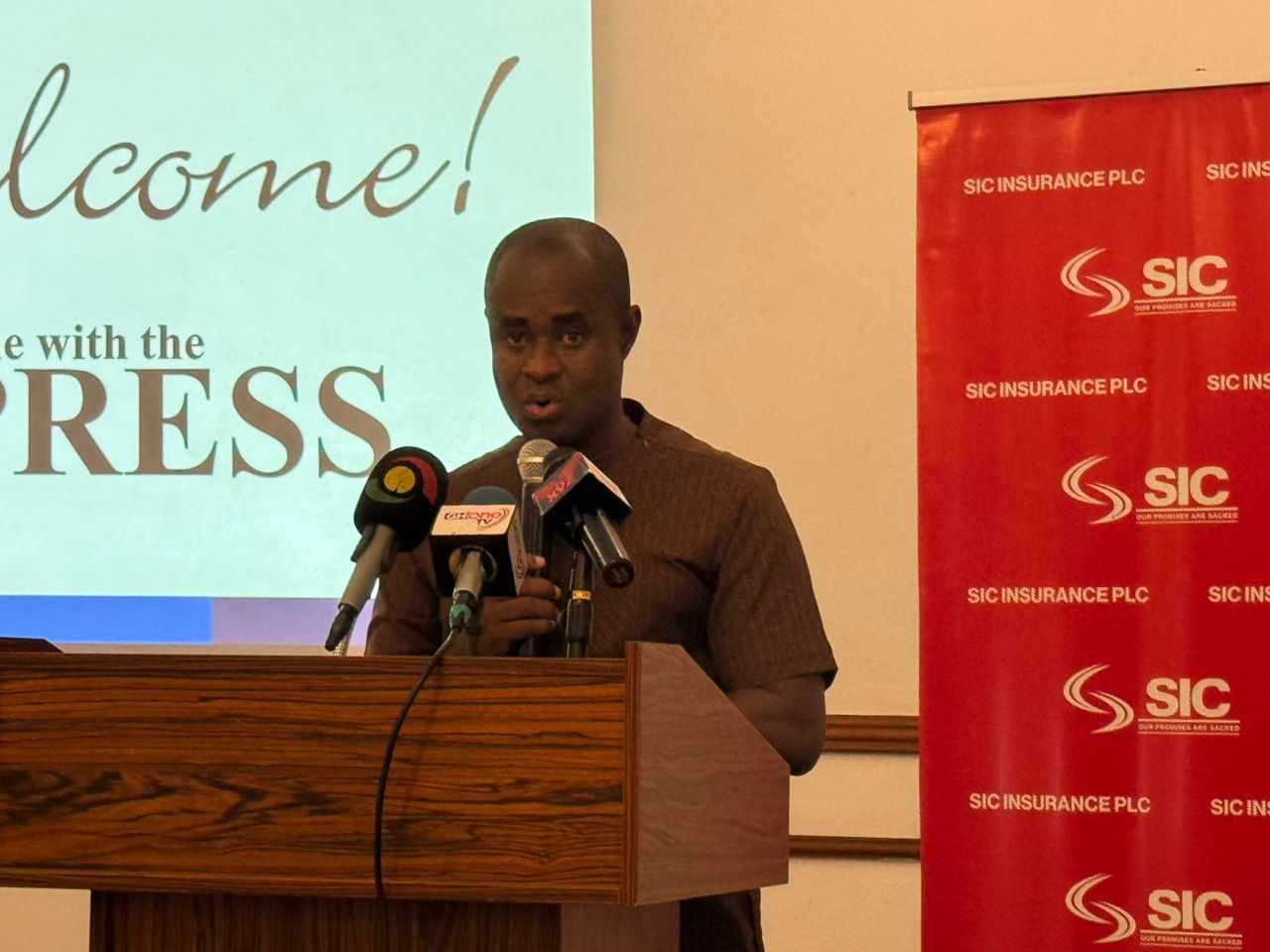
Addressing a press conference in Accra, the Association said while it supports modernisation of port and customs processes, any new technology must be transparent, secure, and fully aligned with Ghana’s existing national trade systems, particularly the Integrated Customs Management System (ICUMS).
According to the IEAG, customs revenue performance under ICUMS has improved significantly in 2025.
Available data show that customs revenue rose to US$3.18 billion as at September 2025, compared with US$3.11 billion in 2024, reflecting sustained gains in trade facilitation and revenue mobilisation.
The Association acknowledged intermittent technical challenges with ICUMS during the year but noted that these were addressed through collaboration with system operator Ghana Link, including the establishment of a central data workspace to enhance system stability.
It also cited operational reforms such as 24-hour terminal operations, which have improved cargo handling capacity and clearance timelines, boosting Tema Port’s competitiveness as a regional trade hub.
The IEAG commended government policy actions that have improved the business environment, including the abolition of the 1% COVID-19 Health Recovery Levy and VAT adjustments under the 2026 tax reform framework.
The Association also pointed to improved macroeconomic indicators, noting that the cedi had stabilised and appreciated to about GH₵11.48 to the US dollar by mid-December 2025, compared with earlier depreciation above GH₵15.
Headline inflation has also declined sharply to between 6.5% and 8% by November 2025, alongside reductions in policy and lending rates, easing borrowing costs for businesses.
“These developments have restored confidence and improved predictability for traders and investors,” the Association said.
Despite welcoming ongoing reforms, the IEAG expressed concern over public reports of plans to introduce an AI-driven port system, allegedly involving Truedare Investments Limited, a Cyprus-registered company expected to commence operations in 2026.
The Association said available public records do not show evidence of the company’s prior experience in port automation or AI-driven customs systems, raising questions about technical capacity, data security and system integration.
Compatibility with ICUMS to prevent duplication and revenue leakage;
Data sovereignty and national control over customs and trade information;
Lack of broad stakeholder consultation; and
Risks associated with reliance on ICUMS data by a foreign private entity with no publicly verified track record.
The IEAG warned that ICUMS hosts all of Ghana’s customs declarations, trade values and revenue data, making it a strategic national asset that must be protected against cybersecurity risks and operational vulnerabilities.
The Association urged government to exercise due diligence, ensure transparency, and engage all stakeholders before implementing any AI-based port solution.
It also called for capacity building for Ghanaian customs and technical officers through exposure to advanced port systems in countries such as Singapore and South Korea.
In conclusion, the IEAG said while progress has been made in trade facilitation and macroeconomic stability, sustained reforms and inclusive decision-making remain critical to safeguarding Ghana’s port efficiency, revenue assurance and global competitiveness.
The statement was signed by Samson Asaki Awingobit, Executive Secretary of the Importers and Exporters Association of Ghana.
Source: myxyzonline.com