

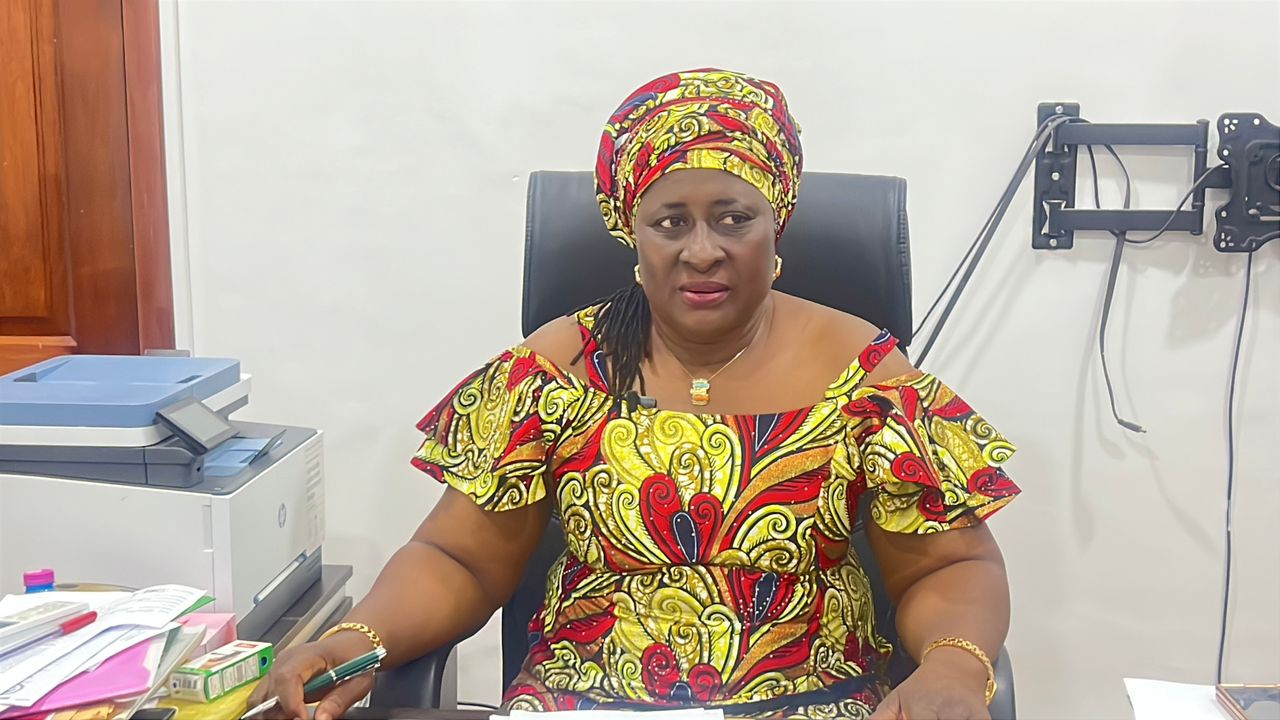
The National Coordinator of Ghana’s School Feeding Programme (GSFP), Hajia Fati Forgor, has dismissed concerns that delays in government payments could disrupt the programme, stating that new supply arrangements are addressing long-standing challenges faced by caterers.
According to her, food suppliers now understand government payment cycles and are willing to provide food items on credit, ensuring uninterrupted cooking in beneficiary schools.
“The excuse that ‘I cooked today, but I can’t cook tomorrow because the government hasn’t paid’ should soon be a thing of the past,” she stated.
Hajia Fati explained that the few cases of unpaid caterers stem largely from administrative discrepancies, such as mismatched names and incorrect bank details, which must be resolved before payments can be processed.
She added that all payments go through a strict claims verification process based on actual cooking days.
The GSFP CEO stressed that the School Feeding Secretariat operates under the Ministry of Gender, Children and Social Protection and works closely with the sector minister on all major decisions.
She also praised regional coordinators for their dedication, describing their performance as impressive.
On programme expansion, she said management is exploring ways to add more public schools without removing existing beneficiaries.

“Currently, the programme serves approximately 4.27 million pupils across 12,045 schools nationwide,” she noted.
Hajia Fati also appealed for the removal of the three per cent withholding tax on caterer payments, arguing that scrapping the tax would ease financial pressure on caterers and improve service delivery.
On monitoring and accountability, the National Coordinator revealed ongoing collaboration with development partners, including the World Bank and the World Food Programme (WFP).
She said the WFP continues to support the programme through tablet-based data collection, with plans underway to harmonise digital systems for real-time nationwide monitoring.

Looking ahead, she identified the construction of dedicated school kitchens as a critical next step in improving food safety and service delivery.
“We want proper kitchens in schools so caterers can prepare meals under safe and controlled conditions,” she said.
She concluded by reaffirming her commitment to resetting the programme and restoring its impact, particularly for children in vulnerable and remote communities.
She also called on stakeholders to support the initiative, stressing that school feeding should be a shared national responsibility rather than a purely government-driven programme.
Source: myxyzonline.com