Political and business leaders have been called upon to take collective responsibility in sustaining Ghana’s economy by fostering a fair, inclusive, and supportive business environment.
Addressing stakeholders, the Minority Caucus emphasized that sustaining economic growth requires more than policy statements, it demands deliberate and consistent action to ensure Ghanaian businesses thrive despite prevailing challenges.
They stressed the need for honest acknowledgment of current economic conditions and decisive leadership to address them.
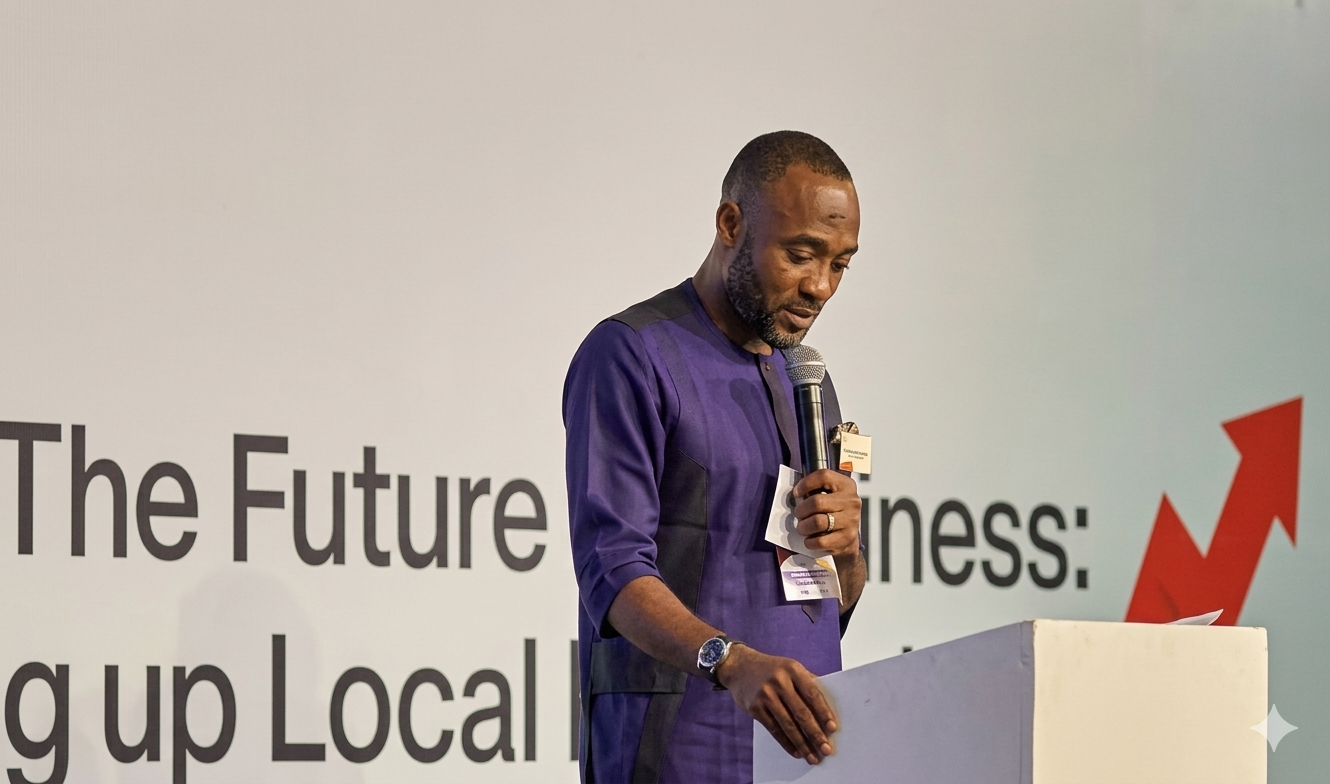
The Minority Leader, drawing on over two decades of experience in public service and private enterprise, highlighted the realities entrepreneurs face, from raising capital to navigating an unpredictable market environment.
He reaffirmed his belief that entrepreneurship remains central to Ghana’s economic transformation.
A key concern raised was the politicization of business. Leaders were urged to create a level playing field where success is based on merit, innovation, and hard work, not political affiliation.
According to the Caucus, favoritism undermines local enterprises, discourages risk-taking, and allows foreign competitors to dominate markets at the expense of indigenous businesses.
The statement also emphasized the importance of empowering young entrepreneurs by expanding opportunities and supporting innovation.
Engagements with major industry stakeholders, including trader and employer associations, have reinforced concerns about access to finance.
Despite a reported lending rate of 10%, SMEs continue to face significantly higher borrowing costs due to additional charges, making credit largely inaccessible. Consequently, an estimated 60–80% of small businesses fail within their first five years, primarily due to lack of affordable financing.
The Minority Caucus called on the financial sector to ease collateral requirements and provide long-term financing solutions tailored to sectors such as manufacturing and agro-processing, which require sustained capital investment.
They concluded that building a resilient economy depends on empowering indigenous enterprises through fair policies, accessible financing, and a firm commitment from all leaders to drive meaningful change.
Source: myxyzonline.com