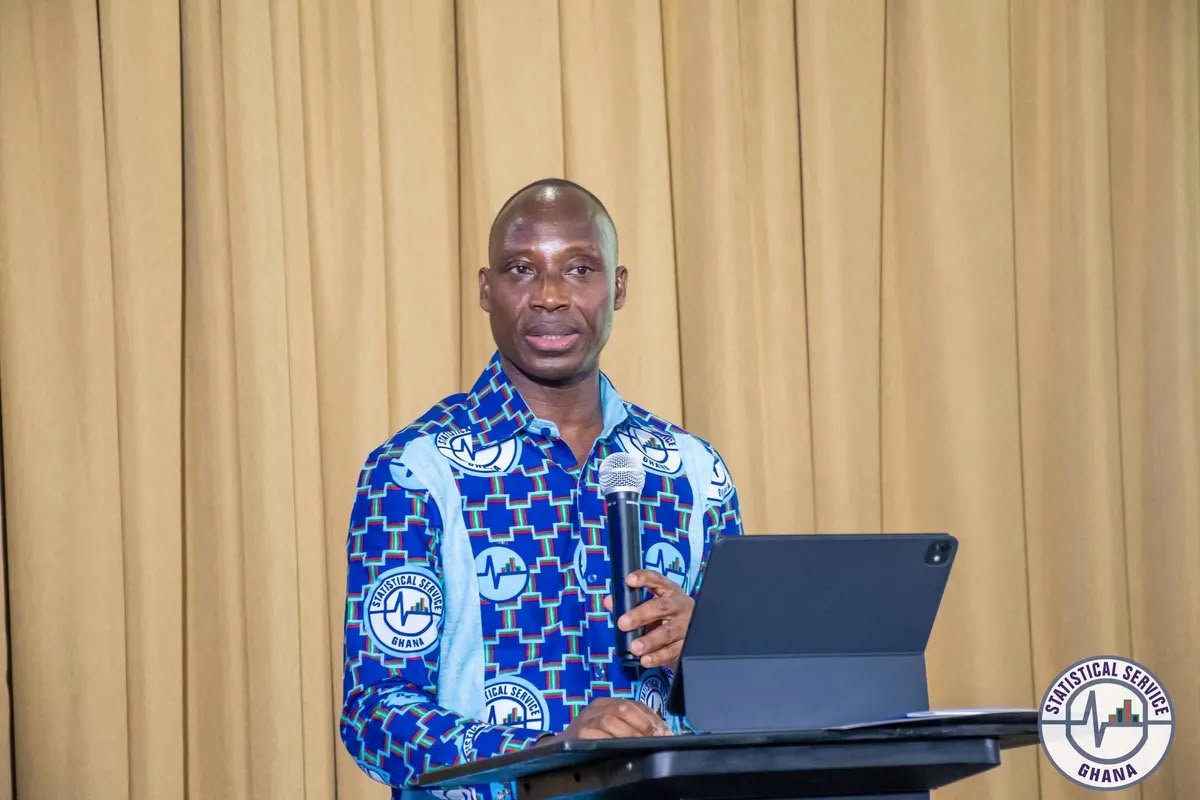
The Ghana Statistical Service (GSS) has revealed that more than one-third of Ghana’s population is made up of young people, underscoring the urgent need for sustained investments in education, skills development, healthcare, and employment opportunities.
The call was made in a press release issued to mark World Population Day 2026, observed under the theme, “Investing in Ghana’s Future through Healthy, Skilled and Empowered Young People.” The Service noted that Ghana’s changing population structure presents a unique opportunity to accelerate national development if the country’s youthful population is adequately equipped.
According to the GSS, Ghana’s population has increased from 18.9 million in 2000 to 30.8 million in 2021, with projections estimating the population at 33.7 million in 2025. Young people aged between 15 and 35 years now constitute 36.9 percent of the population, meaning more than one in every three Ghanaians falls within the youth category.
Despite this demographic advantage, the Service expressed concern over persistently high youth unemployment. Data from the Quarterly Labour Force Survey for the first three quarters of 2025 showed that national unemployment averaged 12.8 percent, while unemployment among young people reached 21.9 percent, almost double the national average. Greater Accra, Central and Ashanti regions recorded the highest youth unemployment rates during the period.
The report also highlighted that nearly two million young people, representing 19.5 percent of the youth population, were Not in Education, Employment or Training (NEET) by the third quarter of 2025. Additionally, findings from the 2022 Ghana Demographic and Health Survey indicated that 15 percent of girls aged 15 to 19 had experienced pregnancy, with 11 percent having given birth, a situation the GSS says limits educational attainment, skills development and future economic opportunities for young women.
The Ghana Statistical Service stressed that bridging the gap between the country’s youthful population and labour market outcomes will require sustained investment in technical and vocational education, stronger school-to-work transition programmes, entrepreneurship development and the expansion of industries capable of creating decent jobs. It noted that empowering young people with relevant skills and opportunities would enable them to drive inclusive economic growth and national development.
The Service concluded that the decisions and investments made today will determine whether Ghana’s growing youth population becomes the country’s greatest economic asset or one of its most significant development challenges.
Story by : Belinda Anim Piesie