Dozens of foreign nationals took refuge at a church centre in Durban, South Africa, on Wednesday as local mobs intensified a weeks long campaign targeting undocumented migrants.
Small but increasingly vocal anti-migrant protests have surged across the country in recent weeks. In Durban, one group has given undocumented foreigners until June 30 to leave the country.
Around 250 people mostly women and children gathered behind the gates of the Diakonia Council of Churches in central Durban, many saying they feared for their lives after facing harassment and direct threats.
Miriamu Mokonzi, from the conflict-ridden Kivu region of the Democratic Republic of Congo, told AFP that armed mobs visited her home over the weekend and demanded to know when her family planned to leave.
“They warned that if we don’t leave by the end of the month, we will be attacked or killed,” she said. “That is why I am here with my children,” she added, pointing to her two young sons.
Durban, a major port city and economic hub, has repeatedly been a hotspot for xenophobic violence, with organised groups targeting foreign nationals under various banners.
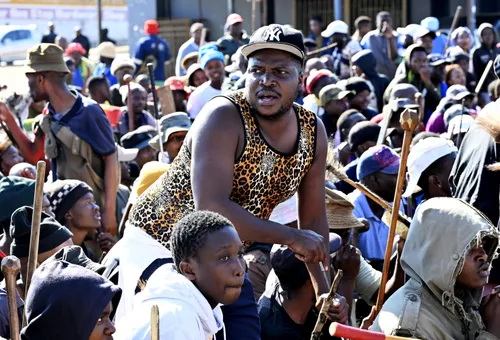
The “March and March” group, whose members often appear in traditional Zulu attire carrying shields and sticks, has demanded that undocumented migrants leave by June 30, accusing them of involvement in crime. Although the ultimatum has no legal standing and is not supported by authorities, it has triggered widespread fear among migrant communities, further fuelled by disinformation on social media.
Many of those sheltering at the church reported being hounded in their homes particularly in townships and informal settlements by vigilantes conducting door to door threats. Several women said they had been robbed of their cellphones, money, and other valuables.
Moses Ombeni, also from the DRC, said the group at the centre included migrants from several African countries, including Burundi, Rwanda, Uganda, and Tanzania. He added that they had earlier sought protection at a police station but were dispersed with rubber bullets and teargas, leaving some injured.
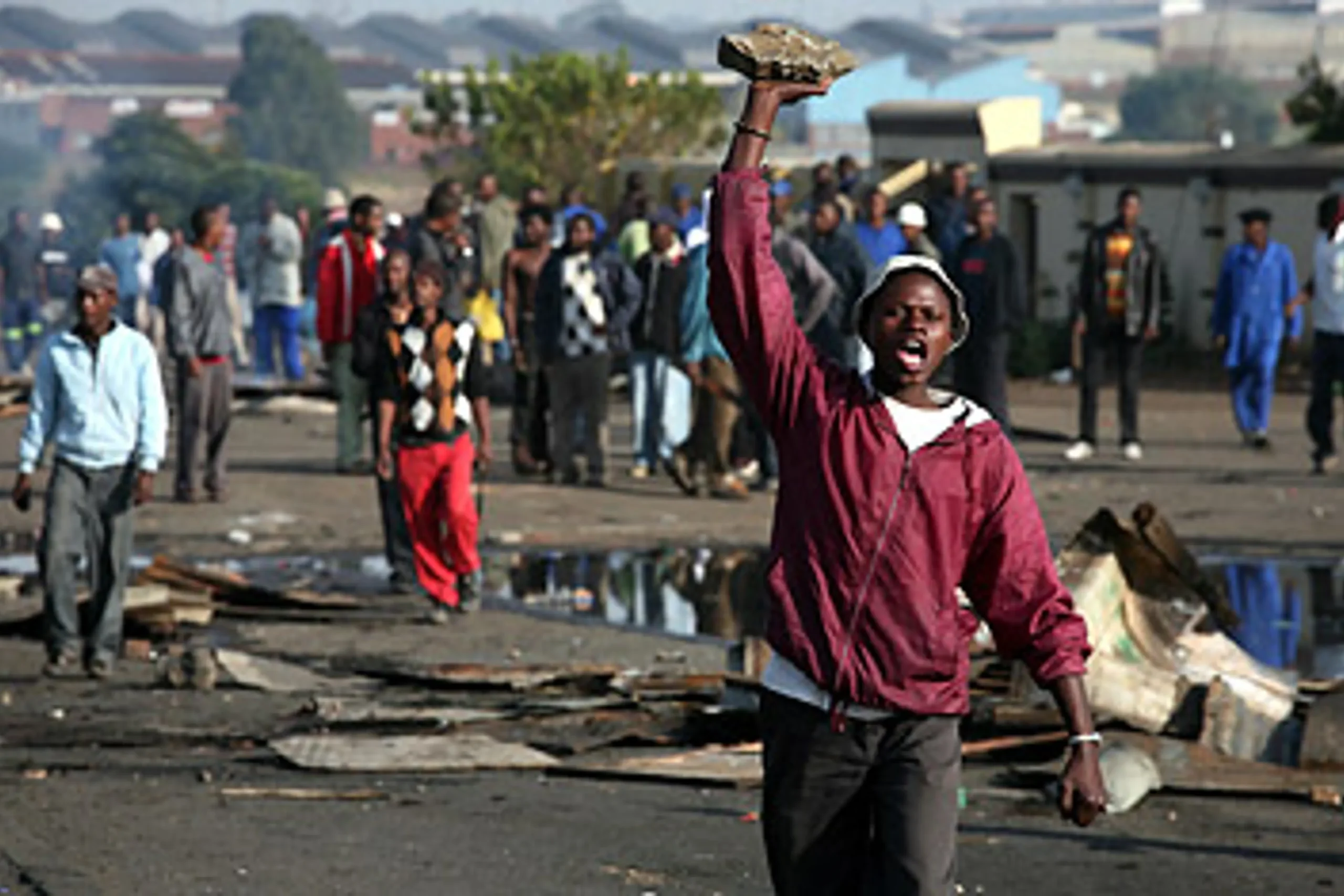
South Africa has experienced recurring outbreaks of xenophobic violence since 2008, when dozens of migrants were killed and thousands displaced. Similar surges occurred in 2015 and 2021, often driven by economic hardship and political rhetoric.
The latest tensions come as political parties intensify campaigns ahead of local government elections in six months.
Source :myxyzonline