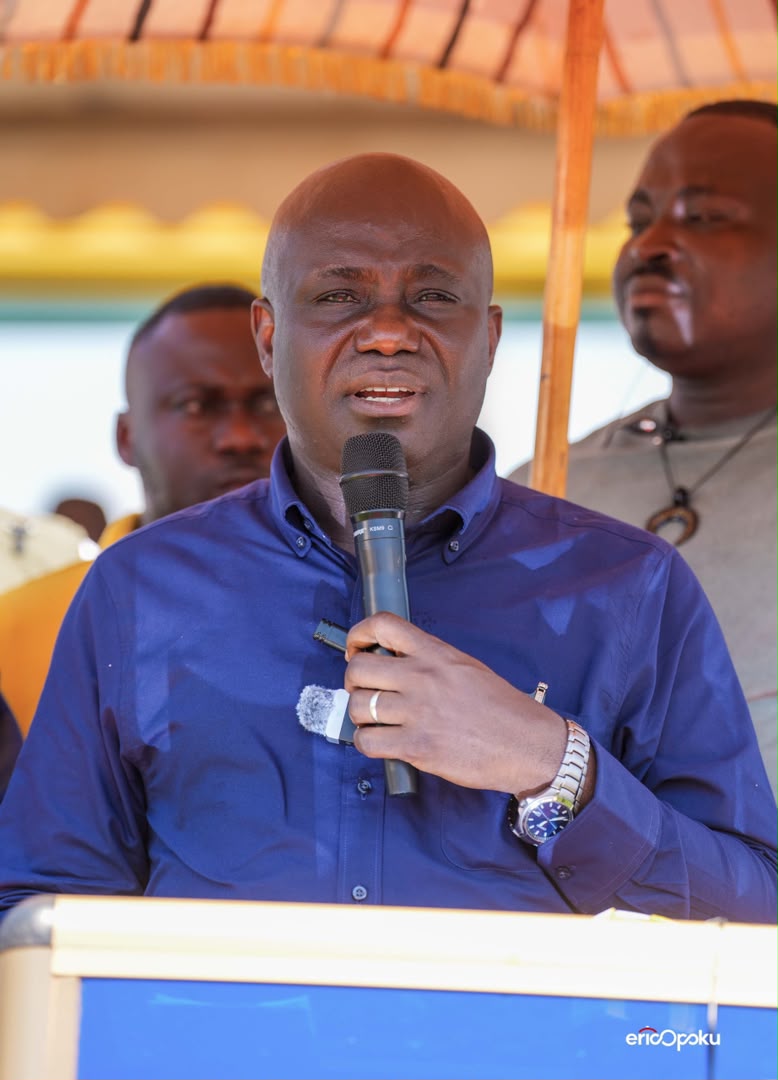
He pointed to the 2024 farming season, when armyworm infestations in parts of northern Ghana disrupted harvests and forced the government to import grain, adding that the ministry is monitoring potential El Niño weather effects and could mobilise extra funds to buy local rice and maize.The REWARD-Ghana covers seven districts spread across four northern regions:Northern Region: Tamale, Mion and Savelugu.
Upper West Region: Nandom and Wa Municipal.
North East Region: Mamprugu-Moagduri.
Savannah Region: West Gonja.
The project will prepare 3,200 hectares for rice cultivation and provide improved seeds. Equipment will include combine harvesters, boom sprayers, rice transplanters, seed drills and rotary tillers.
Processing hubs will also receive equipment to improve locally processed rice, including destoners, colour sorters and parboiling vessels as part of the project’s support.
More than 20,000 smallholder farmers will benefit directly, particularly women and young people, according to Ebenezer Kwesi Botchey, who heads the Ministry of Finance’s AfDB Unit.
AfDB Division Manager Dr Damian Ihedioha urged managers to follow the farming calendar. Northern Regional Minister Ali Adolf John called for cooperation among local authorities, farmers and businesses.Mr Opoku urged farmers to form Community Commodity-Based Cooperatives so the National Food Buffer Stock Company and development partners can supply inputs and connect them directly to buyers.