Every nation that achieves lasting economic progress does so by getting the basics right. Strong institutions, economic stability, and social cohesion are not optional, they are the foundation upon which prosperity is built.
For years, Ghana struggled to align these pillars. At various points, macroeconomic stability existed without strong institutions, while reform efforts failed to deliver lasting impact because the broader economic and social environment could not sustain them.
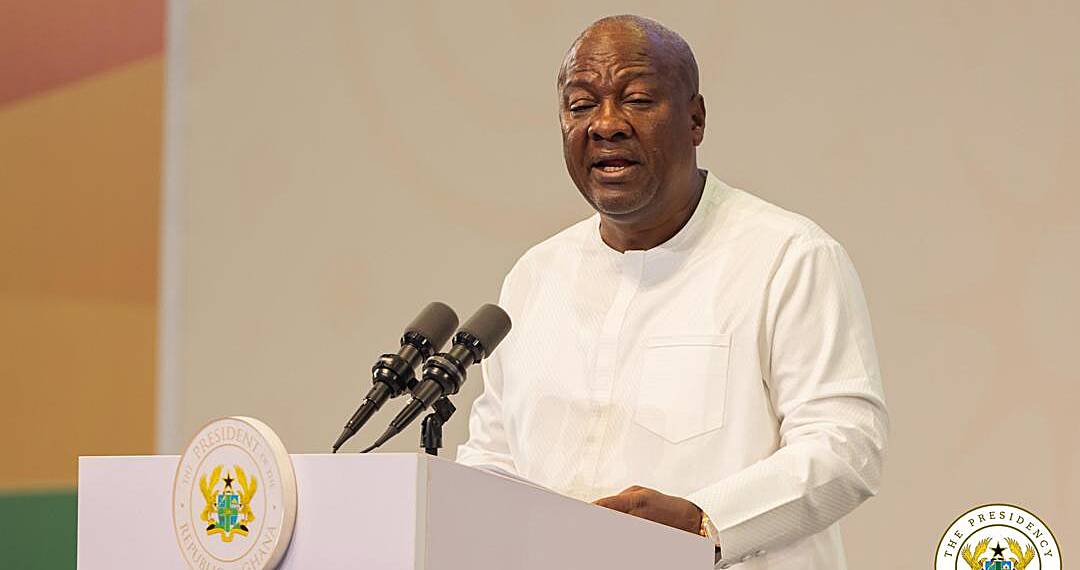
One year into President John Dramani Mahama’s second term, there is growing evidence that this alignment is beginning to take shape.
Economic predictability, so critical for businesses and households alike, has improved.
The relative stability of the cedi, improved inflation management, fiscal discipline, and a more cautious approach to debt have created breathing space for the private sector. For traders, manufacturers, and families planning their finances, these improvements matter.
Beyond the numbers, there has been renewed attention to governance and institutional credibility.
The commitment control rule introduced under the amended Public Financial Management Act has tightened oversight of public contracts, reducing waste and protecting the public purse.
This single reform has changed how government commitments are made and enforced.
Reforms across key institutions reinforce this shift. The Public Procurement Authority is tackling opaque procurement practices; the Ghana Gold Board’s stricter oversight has boosted small-scale gold production; COCOBOD has strengthened quality controls; and ECG’s digital monitoring efforts are improving revenue protection.
These developments point to a more disciplined and experienced style of governance under President Mahama, one that recognises that strong institutions are essential to unlocking Ghana’s economic potential.
But foundations, no matter how strong, do not feed families or employ young people on their own. For Ghana’s youth, economic stability must translate into jobs, skills, and opportunity.
High unemployment, expensive credit for small businesses, and isolated communal conflicts remain real threats to inclusive growth.
The opportunity before us is clear. With the fundamentals improving, Ghana must accelerate job-creating sectors such as agribusiness, manufacturing, technology, renewable energy, and tourism. Flagship initiatives like the 24-hour economy and renewed industrialisation must now move from policy to practice.
Ghana stands at a critical juncture. The foundations are being rebuilt. What matters now is how boldly and inclusively we build on them, so that prosperity becomes a shared national reality, not a distant promise.
Source: myxyzonline.com