
The New Economy must prioritise the creation of jobs at scale if Ghana is to secure a prosperous future for its young population, policymakers and traditional leaders have stressed.
Decent, productive employment that gives young people a genuine stake in the country’s development remains the central challenge facing the nation, according to recent engagements between government officials and traditional authorities.
The call comes amid growing concern over youth unemployment and underemployment, particularly in urban centres such as Accra. Stakeholders argue that large-scale infrastructure and economic programmes must translate into tangible opportunities for the next generation rather than remaining limited to physical construction alone.
Speaking on the broader vision for economic transformation,the Finance Minister, emphasised that the New Economy cannot succeed without creating pathways into technical, engineering and skilled trades for young Ghanaians. These jobs, He says, must be productive, fairly remunerated and capable of building long-term skills and economic independence.
“The New Economy must create jobs at scale: decent, productive jobs that give young people a real stake in Ghana’s future,” He said.

Traditional leaders have echoed the message. During recent discussions with the Ministry of Roads and Highways, the Ga Mantse, Nii Tackie Teiko Tsuru II, appealed for deliberate measures to ensure that indigenous youth benefit from development projects in their communities. He called for quotas and targeted openings in engineering, technical roles and artisan positions so that Ga young people can participate directly in the transformation of their own areas.
Government representatives have responded by linking major infrastructure initiatives, including the Big Push programme, to youth employment outcomes. They note that success should be measured not only by kilometres of road completed but also by the number of young people who secure positions as quantity surveyors, engineers, technicians and skilled workers.
Officials have also highlighted the rising participation of women in technical fields on project sites, describing it as an encouraging sign of broadening opportunity.
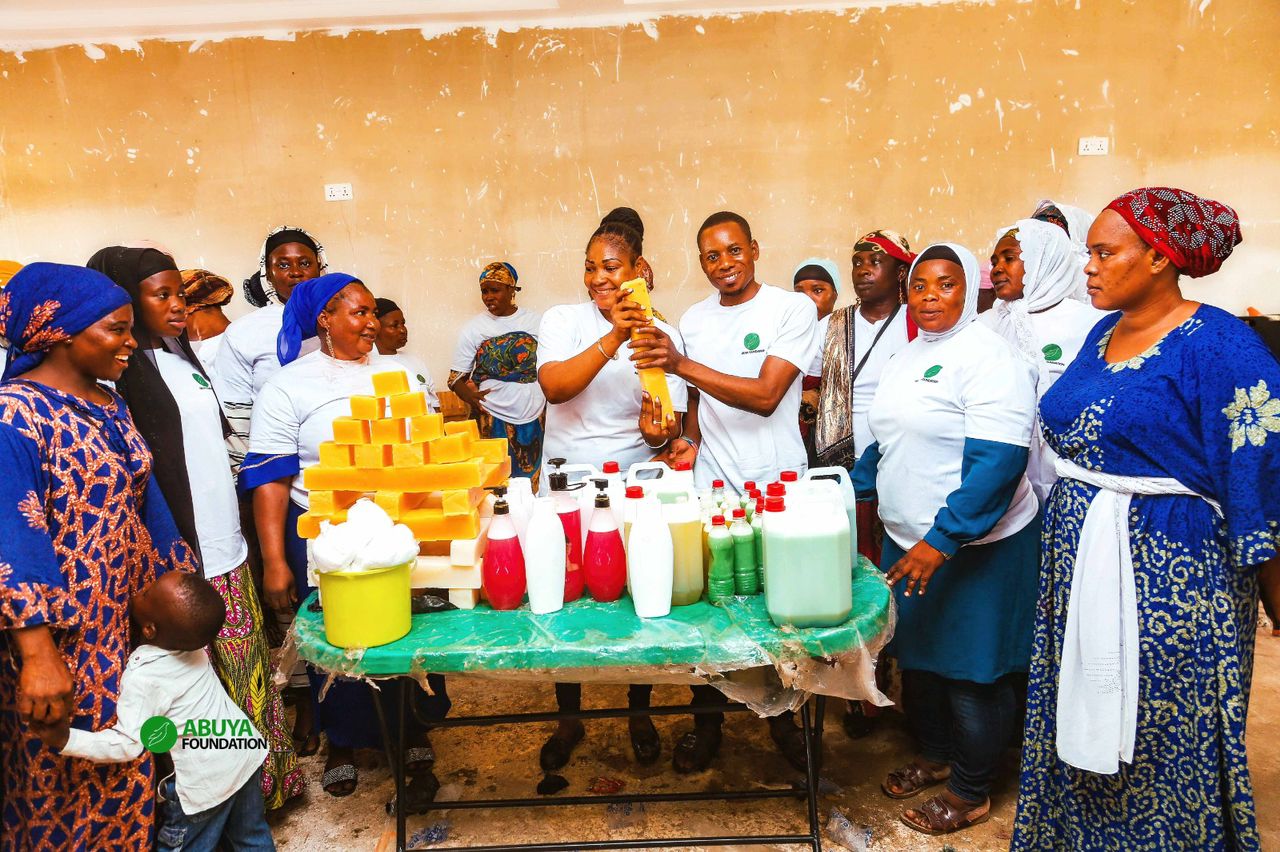
Beyond immediate job creation, stakeholders point to complementary efforts such as skills training, vocational education and support for girls’ education as essential foundations for a more inclusive New Economy. Initiatives that help young people, including young mothers, return to education or acquire entrepreneurial skills are seen as critical to building a workforce ready for the opportunities ahead.
As Ghana pursues ambitious infrastructure and economic reforms, the consensus is clear: without large-scale creation of decent and productive jobs, the promise of the New Economy will remain incomplete. Giving young people a real stake in the country’s future, leaders insist, is both an economic necessity and a moral imperative.
Story by : Emmanuel Nettey