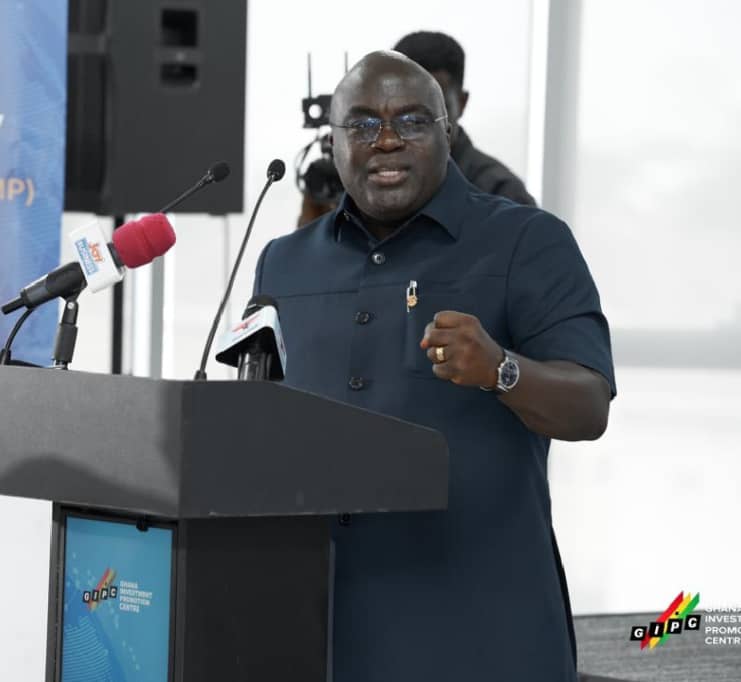

Writer and public commentator Asaana Bukari Majeed has called on the Judiciary, the Attorney-General and other relevant authorities to allow major corruption cases of significant national interest to be televised or made readily accessible to the public.
He argued that greater public access to court proceedings would strengthen confidence in Ghana’s justice system and help curb misinformation surrounding politically sensitive cases.
Mr Majeed noted that many citizens currently rely on social media, political commentary and selectively edited videos for information about ongoing trials. This, he said, makes it difficult for the public to distinguish between allegations, legal arguments, procedural rulings and final judgments.
Televised proceedings, where legally permissible, would enable Ghanaians to hear the evidence and arguments directly and better understand how judicial decisions are reached, he added.
He acknowledged, however, that some cases may require restrictions, particularly those involving national security, vulnerable witnesses, privacy concerns or sensitive evidence.
Mr Majeed therefore urged consideration of televised hearings, official recordings, transcripts or other reliable mechanisms that improve public access without undermining the administration of justice.
He also called on the NDC, NPP and other political parties to exercise restraint when commenting on ongoing court cases and to avoid presenting partisan interpretations as established facts.
Transparency, he stressed, should not favour any political party but ensure that facts and the law take precedence over political propaganda and social media speculation.
Greater openness and public education on judicial processes, Mr Majeed said, could strengthen Ghana’s democratic institutions, promote civic education and protect public confidence in the Judiciary.
He concluded by urging judicial authorities to develop a framework for greater public access to major corruption cases of exceptional national interest, while fully respecting constitutional and legal requirements governing court proceedings.
Story by : Edward Aryeh