Mahama directed Energy Minister John Jinapor to work with TOR’s Board and management on a strategic plan to raise the refinery’s processing capacity from 45,000 to 100,000 barrels per day. He stated the ambition clearly: “We do not intend merely to keep TOR operating.” The government also plans to upgrade TOR’s Single Buoy Mooring infrastructure to improve the offloading of crude oil and petroleum products, with the aim of positioning Ghana as West Africa’s leading refining and logistics hub.
Crude Payments in Cedis Instead of Dollars
In a related directive, Mahama asked the Energy Minister to “rethink and take a second look” at how TOR and Sentuo Refinery pay for Ghana’s own crude oil, pressing for settlement in cedis rather than US dollars. Jinapor said the President raised the issue directly at a meeting attended by the Bank of Ghana Governor and the Finance Minister, asking why refineries that process crude locally and sell products in cedis should first buy foreign exchange to make payments. The Bank of Ghana Governor reportedly supported the proposal, noting that it could ease pressure on the cedi and reduce costs.
A Refinery Back from the Brink
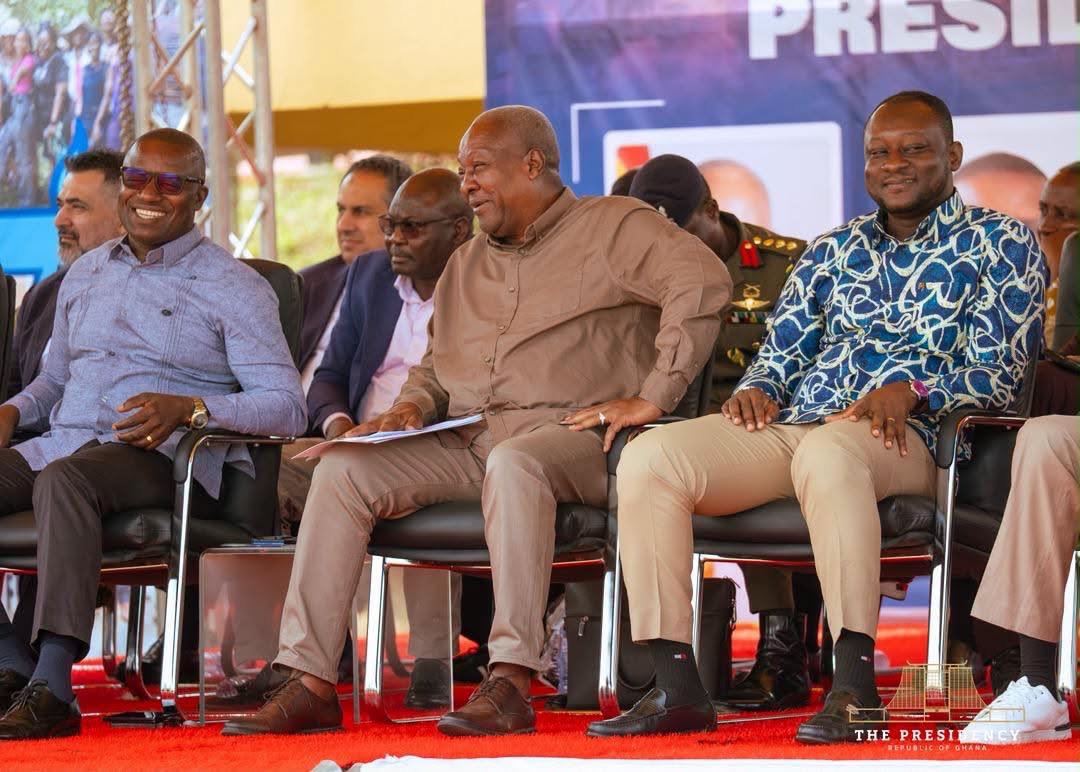
The announcements came as Mahama commissioned the rehabilitated Crude Distillation Unit, the restored residual fuel fluid catalytic cracking unit, a new F-61 crude heater, and the return of boiler number eight to service. The ceremony also marked the official receipt of the third one-million-barrel crude cargo processed by TOR since May 2026, following earlier shipments of Bonga and Baleine crude.
Energy Minister Jinapor credited part of the turnaround to his decision to block a previous lease arrangement. He said he halted a pending 10-year lease of the refinery for $22 million because the agreement lacked parliamentary approval. Mahama was more direct about the stakes involved, stating that without the workers’ resistance the refinery “would have been leased out for 15 years for 22 million dollars.”
He also emphasised that the revival had cost the taxpayer nothing: “This has been done without a single Cedi from the government of Ghana… We haven’t put a single Cedi into this rebound.”
Story by : Emmanuel Nettey