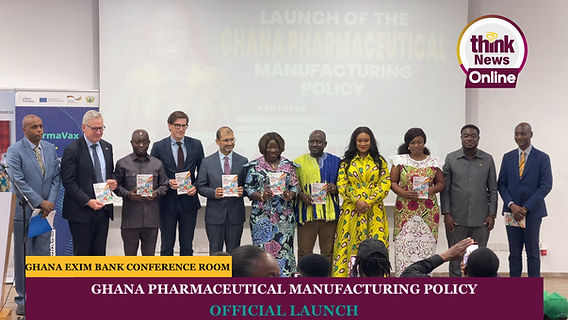
Ghana has launched a new Pharmaceutical Manufacturing Policy aimed at increasing local production of medicines from 30 per cent to 60 per cent of national demand and doubling the value of pharmaceutical exports to markets within the Economic Community of West African States (ECOWAS).
The policy, launched by the Minister for Trade, Agribusiness and Industry, Elizabeth Ofosu-Adjare, at the Ghana EXIM Bank Auditorium in Accra on Thursday, is expected to strengthen domestic pharmaceutical manufacturing, attract investment, create skilled jobs and reduce the country’s dependence on imported medicines.
The initiative forms part of the government’s broader industrialisation agenda, with pharmaceutical manufacturing identified as a strategic sector for economic growth, export development and national health security.
Speaking at the launch, Mrs Ofosu-Adjare said the policy would establish a coordinated framework for addressing longstanding challenges confronting local pharmaceutical manufacturers, including the high cost of imported raw materials, expensive financing, limited product diversification, and gaps in technology and specialised skills.
“Medicines are not ordinary goods. A country that cannot produce its own essential medicines leaves its health, economy and sovereignty vulnerable to decisions made elsewhere,” she said.
According to the Minister, local manufacturers currently supply approximately 30 per cent of Ghana’s medicine requirements, while imports account for the remaining 70 per cent.
The country also relies entirely on imports for its vaccine needs.
The policy is therefore intended to strengthen local capacity, improve the availability of essential medicines and retain a greater share of pharmaceutical spending within the domestic economy.
The immediate production target under the policy is to raise the share of medicines manufactured locally from 30 per cent to 60 per cent of national demand, while doubling pharmaceutical export values to ECOWAS markets.
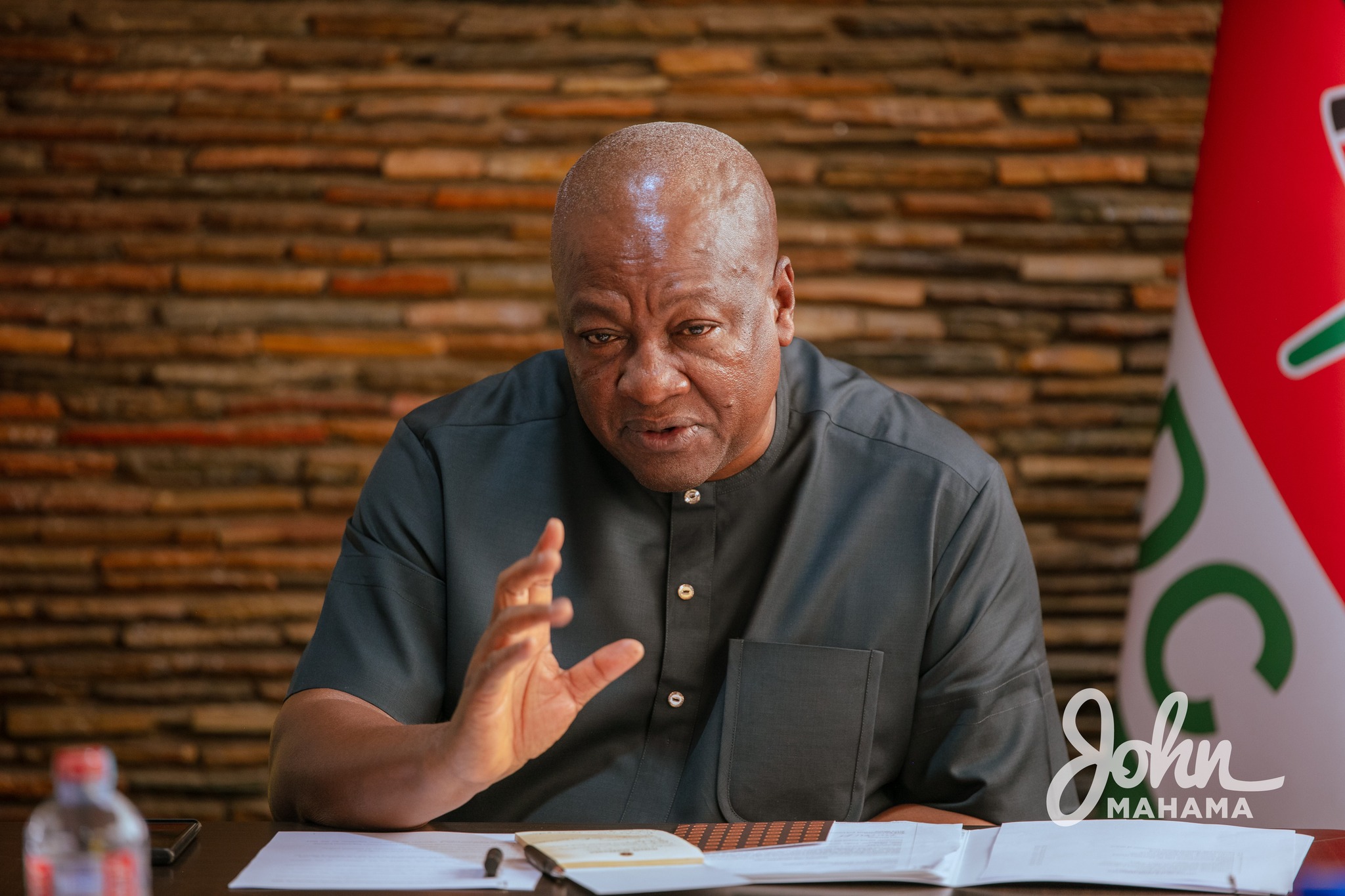
These targets form part of a broader five-year pharmaceutical self-sufficiency plan announced by President John Dramani Mahama, which seeks to ensure that at least 70 per cent of medicines consumed in Ghana are produced domestically.
Mrs Ofosu-Adjare said the policy had received Cabinet approval in July 2026 and would translate the President’s commitment into practical measures to expand manufacturing capacity, improve competitiveness and position Ghana as a pharmaceutical production hub for West Africa.
She also linked the initiative to the government’s proposed US$10 billion New Economy Programme, which is expected to attract investment over four years into seven strategic sectors, including pharmaceuticals.
The programme is intended to support Ghana’s transition from economic stabilisation to sustained growth and employment, particularly for young people.
Pharmaceutical manufacturing is also expected to complement the government’s 24-Hour Economy and Accelerated Export Development Programme.
The Minister disclosed that the government had signed agreements with pharmaceutical manufacturers to supply essential medicines, including metformin, used in the treatment of diabetes, under the Free Primary Healthcare Programme.
She said government purchasing arrangements would be critical to providing local manufacturers with predictable demand, enabling them to plan production, expand capacity and invest in improved technology.
Source: Thinknewsonline